

One of the most important themes emerging from AVBCC 2026 was the ongoing challenge of sustaining community oncology practices while advancing efforts to deliver high-value, cost-effective care. As treatment options continue to expand and pressure mounts to manage healthcare spending, stakeholders across the oncology ecosystem are increasingly focused on how reimbursement models influence care delivery.
Community oncology practices play a critical role in ensuring patients have access to cancer care close to home. For many patients, especially those in suburban, rural, and underserved areas, these practices provide not only treatment but also comprehensive support services that help patients navigate their cancer journey. Nursing teams, pharmacists, financial counselors, care coordinators, and after-hours support staff all contribute to the delivery of safe and effective care outside of large academic medical centers.
A key discussion at AVBCC centered on the economics that support these services. In many community oncology settings, drug reimbursement margins help fund essential patient care infrastructure. These revenues often support services that are not fully reimbursed through traditional payment models but remain critical to patient outcomes and experience.
At the same time, healthcare leaders, payors, and policymakers continue to promote the use of clinically appropriate, lower-cost treatment options when available. This goal aligns with broader efforts to improve healthcare affordability and value. However, conference speakers emphasized that encouraging lower-cost therapies cannot be viewed in isolation from the financial realities facing oncology practices.
When reimbursement changes significantly or too quickly, practices may face challenges maintaining the personnel and support programs that patients rely upon. Reductions in revenue can have ripple effects that extend beyond the cost of a specific therapy, potentially affecting staffing levels, care management programs, patient navigation services, and other resources that contribute to high-quality cancer care.
The concern is not that lower-cost treatments should be avoided. Rather, it is that payment models must evolve in ways that recognize and support the full range of services required to care for patients with cancer. If healthcare systems seek to encourage treatment choices that reduce drug spending, they must also ensure that practices have sustainable mechanisms for funding the clinical and operational infrastructure needed to deliver care
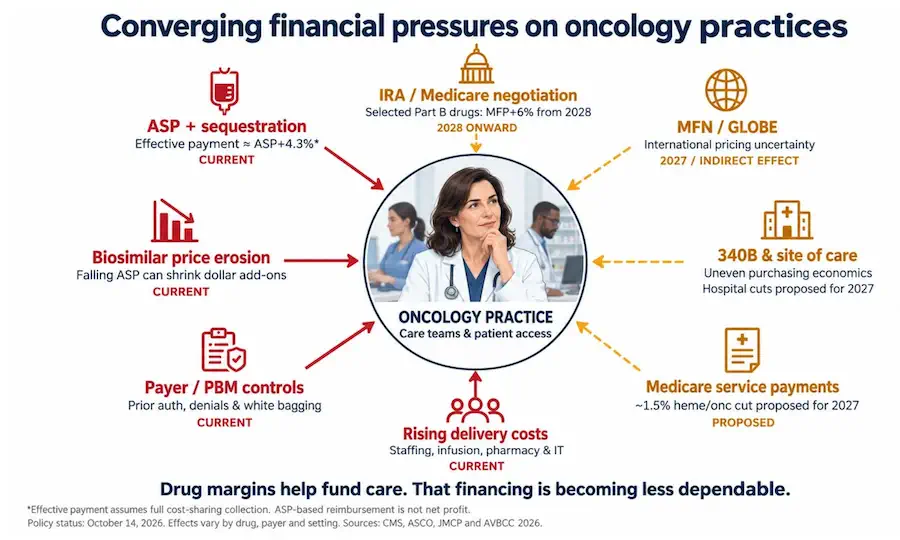
For patients, the stakes are significant. Community oncology practices help make cancer care more accessible by reducing travel burdens and allowing patients to receive treatment within their local communities. Any disruption to practice stability could ultimately affect patient access, particularly in areas where alternative oncology resources may be limited.
The discussion at AVBCC highlighted an important reality: value-based cancer care requires more than just reducing treatment costs. It requires creating reimbursement models that support both affordability and the long-term viability of community oncology practices. Achieving that balance will be essential to preserving patient access, maintaining high-quality care, and ensuring that innovations in oncology benefit patients regardless of where they receive treatment.
As healthcare continues to evolve, sustaining community oncology will depend on thoughtful policy decisions that align economic incentives with the realities of care delivery. The future of cancer care is not only about identifying the right treatments for patients but also about ensuring that the practices delivering those treatments remain strong, accessible, and equipped to provide comprehensive support throughout the cancer journey.
Is your oncology practice weighing a value-based contract?
OMI’s oncology program is upside-only: no upfront cost, no downside exposure, and designed so a practice does not lose margin by taking part. It is built for the balance this article describes, lower drug spending without defunding the services patients depend on.